

Luxury tourism has undergone a profound transformation in recent years. Increasingly, affluent travelers are seeking experiences that emphasize authenticity, intimacy, and cultural immersion rather than standardized displays of opulence. In this evolving landscape, boutique luxury accommodations—particularly those located in culturally rich destinations—have become a defining feature of contemporary high-end travel. Italy, long recognized for its artistic heritage and refined hospitality, has emerged as a central player in this shift. The country’s luxury tourism sector continues to expand steadily, supported by strong international demand and a growing interest in distinctive accommodations that offer personalized service and local character.
Southern Italy, in particular, has become increasingly attractive to travelers seeking an alternative to the more saturated destinations of the north. Regions such as Sicily, Puglia, and Campania combine remarkable landscapes with deep historical roots, creating an environment in which boutique hospitality can thrive.
The Appeal of Intimacy and Personalization
The defining characteristic of boutique luxury lies in its scale. Unlike large resort complexes, boutique hotels typically feature a limited number of rooms, allowing staff to provide highly personalized service and curated experiences. This model aligns closely with the expectations of modern luxury travelers, who increasingly prioritize privacy, discretion, and individualized attention.
The hospitality industry has responded accordingly. Boutique properties often emphasize architectural uniqueness, interior design, and an intimate atmosphere, creating environments that feel closer to private residences than traditional hotels. Such properties are designed to offer tailored stays—from bespoke culinary experiences to private cultural excursions—reflecting a broader shift toward experiential tourism. Market analyses confirm that boutique hotels are gaining popularity precisely because they deliver distinctive design and personalized service, elements that differentiate them from larger luxury establishments.
In Southern Italy, where historical palaces, coastal villas, and rural estates abound, this model finds an ideal architectural and cultural setting.
Read More: See Traditional Nepal Come Alive on the Annapurna Base Camp Journey
Cultural Immersion as a Form of Luxury
Another factor driving interest in boutique luxury is the increasing importance of cultural immersion in travel decisions. Affluent visitors are no longer satisfied with merely observing a destination; they seek meaningful engagement with its traditions, gastronomy, and landscapes.
Southern Italy offers precisely this depth of experience. Sicily, for example, presents an extraordinary intersection of Greek, Roman, Arab, and Norman influences, reflected in architecture, cuisine, and local traditions. Boutique accommodations in such regions frequently integrate these cultural elements into the guest experience, whether through partnerships with local artisans, vineyard visits, or guided explorations of archaeological sites.
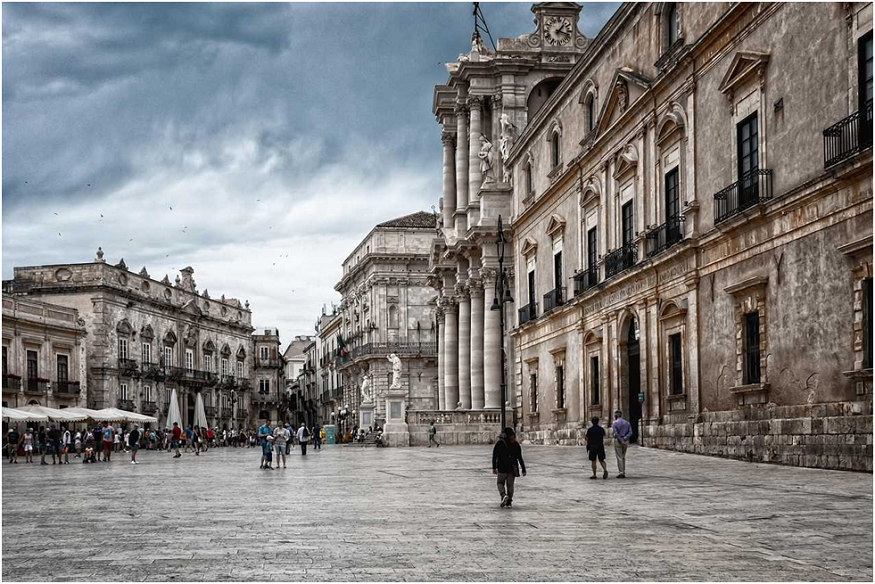
In Syracuse, on Sicily’s southeastern coast, travelers exploring the historic island of Ortigia may choose refined properties that combine contemporary hospitality with centuries-old architectural heritage. One example is the refined hospitality concept represented by the https://www.vretreats.com/en/luxury-hotel-syracuse/, where the experience of luxury is inseparable from the cultural landscape that surrounds it. In such contexts, accommodation becomes not merely a place to stay but a gateway to the destination itself.
Southern Italy as the New Frontier of Italian Luxury
The rising prominence of boutique luxury in Southern Italy is also linked to broader shifts in tourism geography. While destinations such as Lake Como or Florence have long attracted high-end visitors, travelers are increasingly exploring regions that remain less crowded yet equally rich in heritage.
Sicily, Puglia, and parts of Basilicata have benefited from this trend. High-end tourism in these areas has grown significantly, with international visitors—particularly from the United States, France, Germany, and the United Kingdom—showing increasing interest in boutique hotels and historic residences.
These destinations offer a compelling combination of Mediterranean landscapes, UNESCO-listed sites, and strong culinary traditions. Equally important, they provide the sense of discovery that many seasoned travelers now seek—an experience that contrasts with the more established luxury circuits of northern Italy.
Read More: Superyacht Dreams: Three Exceptional Vessels in the $15 Million Range
Architecture, Heritage, and the Reinvention of Historic Spaces
Boutique luxury in Southern Italy often emerges from the adaptive reuse of historic buildings. Renaissance palaces, aristocratic villas, monasteries, and fortified farmhouses have been restored and transformed into hospitality venues that preserve architectural integrity while introducing contemporary comforts.
This process reflects a broader trend within the luxury hospitality sector: the conversion of heritage properties into intimate accommodations that celebrate local identity. Such transformations not only preserve historic structures but also reinforce the narrative dimension of travel, allowing guests to inhabit spaces deeply connected to regional history.
For travelers, the appeal lies in the opportunity to experience architecture and culture simultaneously—an experience that differs fundamentally from the uniformity of many international hotel chains.
The Future of Boutique Luxury Travel
The growing popularity of boutique luxury in Southern Italy reflects broader changes in the global tourism industry. As travelers place greater value on authenticity, sustainability, and cultural engagement, destinations capable of offering intimate and distinctive experiences are gaining prominence.
Southern Italy embodies these qualities with unusual clarity. Its landscapes remain relatively unspoiled, its cultural heritage exceptionally rich, and its hospitality traditions deeply rooted in regional identity. Boutique hotels, with their emphasis on personalization and place-specific character, represent a natural expression of these attributes.
For discerning travelers, the appeal is therefore not simply luxury in the conventional sense. Rather, it is the opportunity to encounter Italy at a more human scale—through architecture, cuisine, and local traditions—within environments that privilege intimacy, craftsmanship, and a profound sense of place.